

Home Blog Page 2

The 6 Best Tips for Submitting an Online Job Application

0
job application tips
Unsplash

When it comes to applying for a new job, it can be pretty daunting. We've been there, many times. Whether it's your first job or you are already well into your career you can always find ways to improve.

A lot of effort goes into a job application and sometimes it can be hard to create an outstanding application that gets you noticed. From your resume to the interview preparation, it can be overwhelming.

Job Application Tips and Tricks

Here are 6 tips for a successful job application so that you can get the most visibility for your online application.

Tips for Filling Out a Job Application:

Here are common questions people ask about when filling out a job application:

  • What are good things to put on a job application? You'll want to present your skills. The position description that a company advertises can give you a solid idea of exactly what skills the employer wants. Read them carefully and think about how your abilities match the employer's needs. When you describe your skills on the job application, avoid trite and overworked phrases.
  • How do you stand out on a job application? You need to know the traits that will impress the employer, ensure your resume matches the job, follow-up (twice), speed your replies, and prepare for phone interviews.
  • What color pen should be used when filling out a job application? You will want to use black pens because they contrast better with the documents you are writing on which are typically lighter in color. Black is also more professional looking and is used for legal documents and form-filling. Also, scanners prefer blue ink to blue ink.
  • What are some skills to include in a job application? You'll want to include your commercial awareness, communication, teamwork, problem-solving, leadership, and organizational skills.
  • What should not be on a job application? You should never include gender, race, religion, or national origin on a job application. Also, the employer should never ask about these traits on the application or during the interview.

Here are some other tips to keep in mind during the job application process:

1. Never Settle

When you're looking for a new job (especially if you're desperate to get out of your current one), you may start to look at jobs that are way below your skill set.

Believes us when we say… do not settle! The only time you would settle is if you absolutely have to. But even then, if you're in a job you've ‘settled' with, you should still be looking elsewhere for something you deserve.

Take your time to figure out what industry you want to be in, what skills you have (you probably have more than you think), what salary you want, and where you see your career going. Make sure you know what's important to you when it comes to choosing an employer and read the job descriptions carefully.

The best way to go about this is by journaling it out; outline your skills, attributes, and what fields interest you. This will help you narrow down your job hunt.

2. Write a Powerful Resume

Okay, so what makes a powerful resume? How can you stand out to employers? Firstly, it's a great idea to find out if your employer uses an Applicant Tracking System (ATS). This is a type of software that scans your resume for keywords before passing it onto an actual human being. If you need an ATS resume, you'll need to change up the format.
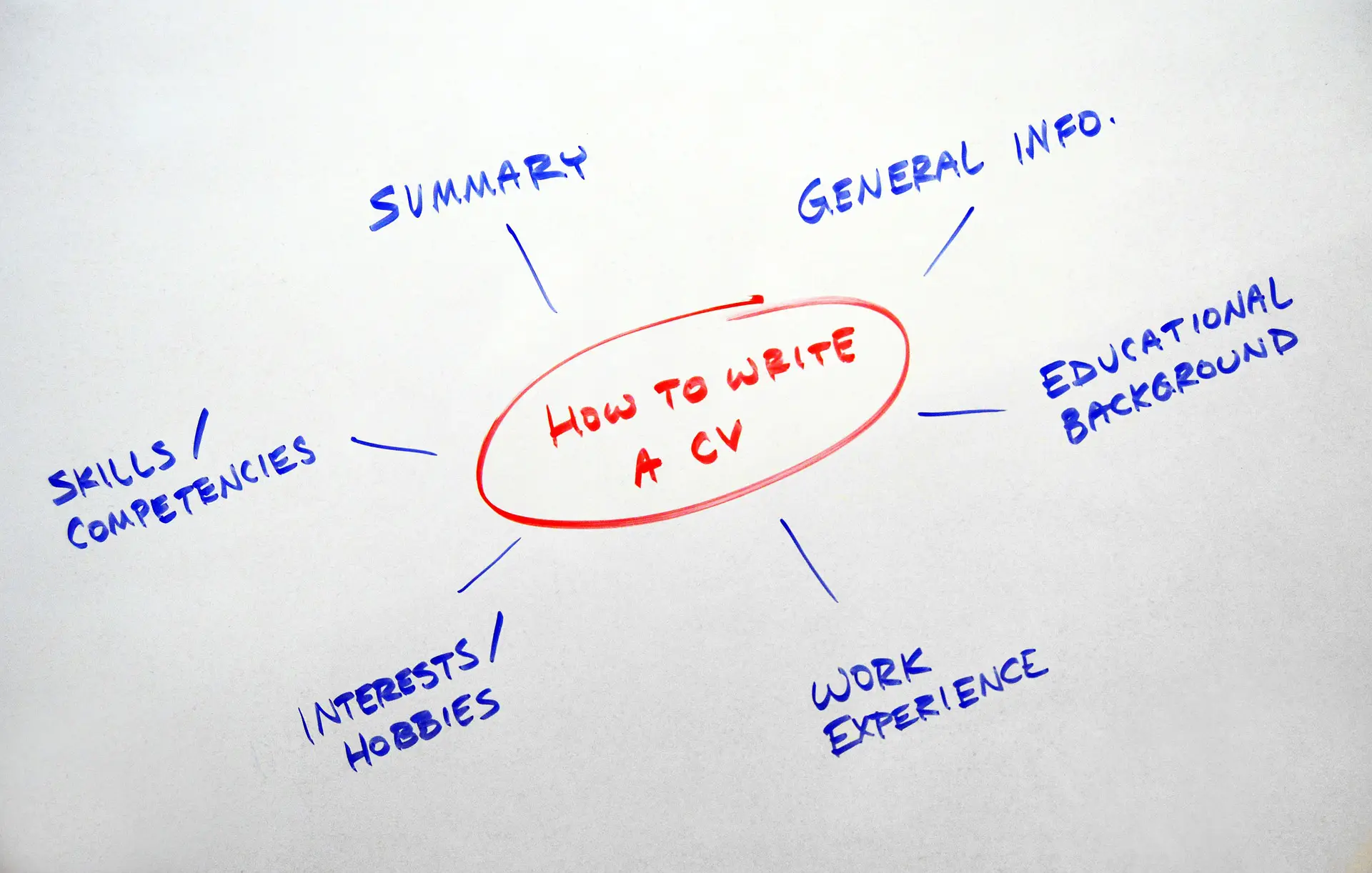
powerful resume

Keywords

Firstly, use keywords! Assess the job description and use those keywords in your resume. You may have to tailor each resume to a specific job description, but that's what will help your resume stand out. (We actually recommend tailoring for each job… but sometimes you may not have enough time.)

Structure and Proofread

Secondly, format, structure and proofread! No employer likes seeing spelling or grammatical mistakes, so make sure to give it to someone else to glance over. The structure of your resume should be easy to read. If you're a recent graduate, put your education first, list your skills, and then your professional experience. If you're a few years out of uni, you may want to put your professional experience first. Employers take on average about 8 seconds to scan your resume, so you want to ensure the first half of your page entices them to read more. It’s all about the first impression.

Personal Branding

You may want to add your own personal branding to your resume as well. This may include a logo, a picture (if the job description fits the bill), or other images. For example, if you were applying for a graphic design job, show your skills in a creative way on your resume! There are no rules (of course unless you find out the company uses an ATS).

Simple, straight to the point, and easy to follow = success.

3. Write a Strategic Cover Letter

Your cover letter is your pitch! You REALLY want to make it a good one. Again, you want to use keywords from the job description in the body of your letter. Make sure you're addressing all the criteria they're looking for (all the criteria you're qualified for that is), and explain how you've developed those skills. If you can add statistics or how you've improved any systems, mention it! For example, hiring professionals in business would love to see if you’ve increased sales by 8% in Q1.

If you can, find out who is dealing with the application and address it to them. This makes your cover letter more personal and will show you've gone beyond the application to find out who manages it.

4. Research the Company

You never know when you're going to get that first phone interview in response to your application. If you've applied to numerous jobs, it can sometimes be hard to track what you've applied for (we're saying this from experience). There have definitely been a few times we've been caught out and have had to BS our way through a phone interview because we couldn't remember what we applied for… the struggle is real. Make sure this doesn’t happen to you. Most hiring professionals can see right through it and know you aren’t prepared.

The best way to be prepared is to keep a note of all the jobs you've applied for and a little blurb about that company and why you chose it. When you then get that phone interview and the recruiter asks, ‘so, why did you choose company XYZ?', you'll have an amazing answer ready to go!

5. Face-to-Face Interview Prep

This is the BIG one! This is one of the last times to create a lasting positive impression. Before heading in here are a few things you'll want to ensure you’re covered:

Company Research

What do they stand for? What are their core values? Their mission statement? Are they involved in any charity work? Choose something that takes your interest and talk about it in your interview.

Know Your Resume

They're going to have your resume in front of them so you need to know your resume like the back of your hand. The WORST thing you could possibly do is lie, so make sure there are no fibs in your resume or cover letter that could get you in trouble during the interview.

Practice

There are definitely textbook interview questions that employers use and you're bound to hear some. Write down your answers to a few common questions and then speak it out loud. The more you talk to yourself (it's not weird, don't worry), the better prepared you'll be.

Equip Yourself with Questions to Ask

One of our favorite parts of the interview is when we get to finally ask questions. Suddenly the tables turn and you can take complete control of the interview. This is YOUR chance to find out whether or not YOU want to work there. It also gives you the chance to sneak in any other valuable things you think the interviewer needs to know about you. If you need some unique questions to ask for an interview, we've got you covered! You can get more information here.

Dress to Impress

This is SO important. You should dress like you already have the job. You want to be professional, clean, and tailored. Don't be afraid though to pop a little bit of your personality into your outfit. Go with that colored blazer instead of the generic black if you've got it. Go with that awesome red dress you have or navy blue suit. Stand out! And the interviewer will be sure to remember you.

6. Send a Follow-Up Email

Always send a follow-up email. This tells the employer you're definitely interested and keen for the role. Thank them for their time and that it was a pleasure to meet them. A thank-you note can go a long way.

Ready to Submit Applications? Go Get It!

Yes, job applications take a lot of effort and hard work. But if it's your dream job you're going after, it's totally worth it. What are some of your top tips when it comes to applying for a job? Let us know in the comments below!

How to Avoid Hiring the Wrong Person

0
how to deal with burnout
Unsplash

Employees are a business’s most important resource and the impact of hiring a new employee is felt from company profits to company culture.

Making the wrong hiring decision can be expensive – costing time and money. Hiring the wrong person can also damage employee morale and productivity as well as customer relationships.

While it’s impossible to guarantee every hire will be the perfect fit, there are measures you can take to make the hiring process more effective. This article outlines how you can avoid hiring the wrong people.

Provide Clear Job Descriptions

Many job postings offer information about the company but not enough about the job. Craft a clear job description outlining the following

  • Job function – Describe the day-to-day tasks and responsibilities for this job. Candidates want to know what their workday will entail. Explain what the expectations are for the role.
  • Qualifications – Define the requirements for the position including education, previous experience, and skills. Include any specific obligations such as frequent travel or working on the weekend.
  • Values and corporate culture – Tell the candidate how the open job fits into the rest of the company, what benefits you offer and what type of work environment they should expect.

The more details you provide, the more time you will save in not interviewing unqualified candidates or those who are not a good fit.

Do Your Research

Job seekers usually do research on employers before they apply so it’s important to do your own research on the candidate.

Review their social media profiles to find out more information on the candidate especially their LinkedIn page. See if you have any connections in common and, if so, contact the connection to get their opinion on the candidate.

Pro tip from CEO himself Jeff Arnett, founder of an event security product manufacturer:

“To get a better idea about the candidate, you may want to conduct a phone screen with the candidate to help pull your research together”.

Improve Your Brand Image

Whether it is on social media or your business website, a strong brand image can help attract potential employees. Most job seekers research employers online before they apply. They visit your website and social media channels. You may have a great reputation with those who know your business but there are many candidates who won’t.

Review your company website. Is your brand clearly communicated? Ensure job seekers can find enough information about your business online.  Create a career section to provide resources potential employees may need and send a clear message about what working at your company is about. You should include information about benefits, testimonials from current employees, etc. Benefits are important to any job seeker and including testimonials from employees show what their experience is from working with you. These testimonials can also serve as content you can share to your social media as well, giving off a better company image for your business online.

A marketing expert for an online kitchen and bath renovator; Wesley Ward, claims:

“Take your business social media seriously. Make sure you are consistently posting, and all content is consistent with the brand image you are trying to project. Almost everyone uses social media today so most candidates will check out what you post on Facebook, Twitter or Instagram.”

hiring wrong person

Make sure all your social media channels are listed on your website as seen above for your audience to look at.

When posting, create a balance between your business/services, promotions, culture, employee shout-outs, company events, and life at the office. There are also apps available such as Preview for Instagram, which allows you to add images and rearrange them to predict how your feed would look like. Potential employees want to see what working with you is all about.

Interviewing

A person may have a powerful resume but may not be the right fit, making face-to-face interviews a critical piece of the hiring process. When the candidate comes in for an interview, pay attention to how the individual performs.

A good candidate will perform and speak well, leave a good impression on you and the team. Depending on whether you conduct interviews individually or in groups, you should evaluate the candidate on how well they performed both in the individual interview along with the group interview.

During the interview, perhaps ask the candidate what their values are and what company culture they see themselves working in, to make sure they fit with the business. When employees share the same values a company, they are more likely to be happy and succeed within that environment.

Here are some warning signs to watch out for during an interview:

  • Not dressed appropriately and professionally – every ideal candidate must know how to dress appropriately for an interview
  • Do not arrive on time (unless they have a specific emergency) – punctuality is very important in any business which is why candidates should plan accordingly and arrive on time
  • Speak negatively about their previous employers and jobs – Not only is it unprofessional but it is a sign of negativity.
  • Vague responses to questions – Candidates with the required skills and experience will speak confidently when responding to questions. If the candidate is very vague or fuzzy about their response, it means they aren’t confident about their answer.

The wrong hiring decision can be a costly mistake, both in time and money. It’s essential to do everything possible to avoid a bad hire. Create a great marketing strategy for your business and for the potential employees you wish to attract. Be very specific about the resumes you look at and make sure they include a cover letter and eliminate those who do not meet your requirements to save you time. To ensure you hire the right people, use the steps you learned in this article next time you have an open position.

Health Insurance Guide for Dummies

0
health insurance guide
Unsplash

Understanding Health Insurance can be tricky. We are here to explain health insurance in a simple, easy, and informative manner so you can understand your health insurance options.

There appears to be a multitude of millennials and individuals that had unexpected bills because of a problem with their medical insurance or their medical practitioner. This article will cover the basics of health insurance, as is relevant for most consumers.

Remember, your choices for healthcare are personal. The health insurance policy that's best for one individual may not be the best for someone else.

Health Insurance Guide Contents

  • Health Insurance Vocabulary
  • An Illustrative Example
  • Negotiated Rates
  • Fully-covered Services
  • Types of Insurance Policies
  • Comparing Insurance Policies
  • Lowering the Cost of Healthcare
  • Preparing for Medical Treatment
  • Dental Insurance
  • Afterword

Health Insurance Wiki

When reviewing at a health insurance policy, there are four numbers you really want to look at when you're comparing health insurance plans: The policy's premium, deductible, co-insurance, and out-of-pocket maximum.

The premium is the cost of the insurance coverage. It can be billed weekly, monthly, or however often the insurance company/your employer decides.

The deductible is the amount that you pay out-of-pocket for medical services each year before insurance starts paying anything.

Co-insurance is the percentage of medical costs that you pay after meeting the deductible.

A co-pay is a fixed amount that you pay for a service. You usually only pay co-pays for services not subject to the deductible.

The out-of-pocket maximum is the maximum you pay for medical expenses in the calendar year. Once the out-of-pocket maximum has been met, the insurance company will pay 100% of medical costs for the remainder of the year.

Health Insurance Example

Bob pays $500/month has an insurance policy with the following characteristics: A $2,000 deductible, 20% co-insurance, and an out-of-pocket max of $5,000.

In January, Bob got sick and had to visit the doctor. Because he hadn't yet met the deductible, Bob had to pay for $150 for the visit out of his own pocket.

Current Status:

Deductible: $150/$2,000

Out-of-pocket Maximum: $150/$5,000

In June, Bob had a heart attack and went to the emergency room. The bill for the hospitalization and the diagnostic exams came out to $2,850. From the bill of $2,850, Bob is required to pay $1,850 towards the deductible (he paid $150 for his earlier sick visit) and $200 (20% of the next $1,000) as co-insurance. Bob has now met his deductible and has paid $2,200 towards his out-of-pocket maximum. Bob's insurance company has paid $800 of Bob's medical expenses.

Current Status:

Deductible: $2,000/$2,000

Out-of-pocket Maximum: $2,200/$5,000

In August, Bob needed emergency surgery and spent a week recovering in the hospital. The bill for the surgeon and hospital stay is roughly $30,000. Because Bob met his deductible, he is only required to pay the 20% co-insurance of $6,000. But Bob already paid $2,200 towards his out-of-pocket maximum of $5,000. So Bob only needs to pay $2,800 to meet his out-of-pocket maximum, and the insurance company pays the remaining $27,200. Bob is not having a good year.

Current Status:

Deductible: $2,000/$2,000

Out-of-pocket Maximum: $5,000/$5,000

Disaster strikes again. In October, Bob breaks his leg and racks up another $10,000 in medical bills. Because Bob met his out-of-pocket maximum, he doesn't have to pay anything. Bob's health insurance pays the full $10,000.

Current Status:

Deductible: $2,000/$2,000

Out-of-pocket Maximum: $5,000/$5,000

Over the course of the year, Bob spent $6,000 for his health insurance and $5,000 on medical expenses for a total of $11,000. Bob's insurance company spent $38,000 ($800 + $27,200 + $10,000) on Bob's medical expenses. Bob's wallet is hurting, but at least he has something left in it.

Under the Affordable Care Act, medical insurance providers cannot put an annual or lifetime cap on how much they'll pay for expenses for essential health benefits. Essential health benefits include emergency services, hospitalization, maternity and newborn care, prescription drugs, and more.

Health Insurance Negotiated Rates

In the above example, having health insurance was financially an excellent move for Bob. For $11,000, he avoided paying $43,000 worth of medical bills. But most people don't have medical bills that exceed their out-of-pocket maximum. For those individuals, health insurance provides a secondary benefit called “negotiated rates”.

When you visit a medical practitioner or hospital, they can bill any amount they want (although some are limited by local laws). For some practitioners, the insurance company negotiates how much they'll pay them for that service. For example, a doctor may charge $200 for a sick visit. But the insurance company negotiates that they'll only pay $75 for a sick visit. The $200 bill sent by the doctor to the insurance company is called the pre-negotiated rate. The $75 bill in this instance is called the negotiated rate. An insured patient at an in-network practice will not need to pay more than the negotiated rate.

The medical practices that have a negotiated rate with your insurance company are considered to be in-network. The medical practitioners that did not agree to the discounted rates are considered to be out-of-network. An out-of-network medical provider can charge you the pre-negotiated rate. Taking the above example, the insurance company may only pay $75 for a $200 out-of-network sick visit, leaving the patient responsible for the $125 balance.

Additionally, insurance companies also may have different deductibles, co-insurance, and out-of-pocket maximums for in-network vs out-of-network visits. For example, the deductible may be $3,000 for in-network visits and $4,000 for out-of-network visits. It is usually most efficient financially to only use in-network providers.

Health Insurance Fully-Covered Services

All ACA-compliant insurance policies fully cover well visits and preventative care at in-network providers. These include medical care like immunizations and checkups. That means that someone going for a regular check up does not have to pay anything for the visit, independent of whether or not the deductible was met.

For example, Alice has a health insurance policy with a $1,000 deductible. Alice is healthy and wants to stay that way, so she schedules a flu shot at her doctor's office. Even though it's January and Alice hasn't paid anything towards her deductible, her insurance policy completely covers the flu shot and Alice does not have to pay any part of the cost.

Types of Insurance Policies

  • HMO (Health Maintenance Organization): HMO insurance plans generally have cheaper premiums than the other types of plans. The drawback is that they are also usually the most restrictive when it comes to selecting health care providers. Most HMO insurance plans also require a referral from your primary care physician (PCP) to see a specialist.
  • EPO (Exclusive Provider Organization): EPO insurance plans, like HMO, usually will only cover non-emergency medical costs from providers that are in-network. Referrals are not usually required in order to see specialists.
  • POS (Point of Service): POS insurance plans will usually cover medical costs both in- and out-of-network, though you will typically pay less at in-network providers. Referrals from a primary care provider may be required to see specialists.
  • PPO (Preferred Provider Organization): PPO insurance plans, like POS, cover medical costs both in- and out-of-network, with cheaper costs when staying in-network. A referral is usually not required to see specialists.

HMO and PPO plans are the most common. Most health insurance plans can be compared by looking at the participating (in-network) providers, whether a referral from your physician is needed to see a specialist, the deductible and/or co-pays, and the out-of-pocket maximum.

Most of these options can be improved at the expense of increasing the premium. With all else being equal, a plan with a lower deductible will have a higher premium. Similarly, a plan with a lower out-of-pocket maximum or a larger provider network may also have a higher premium.

Comparing Insurance Policies

When considering insurance policies, you’ll want to verify that your doctors are all in-network and that you’ll be able to easily visit an in-network practice in the event of an emergency. If you can’t use your health insurance to lower your medical bills, it doesn’t make a difference how low the premium is.

When comparing healthcare policies, I’ve found it worth examining the minimum, expected, and maximum cost for each policy. The minimum cost would be for the premiums and any regular prescriptions and medical visits necessary. The maximum cost would be the sum of the premiums and out-of-pocket maximums. The expected cost would be the average amount you expect to spend on healthcare over a year, including the premiums and the cost of several sick visits.

The expected cost of an insurance policy can be affected by many factors. The larger your family, the more sick visits you'll likely have during the year. The expected illnesses and complications for a 25-year old are very different than those of over 65-years old that need life insurance. Another factor to consider is that if a family member has a chronic condition, your calculation for the expected cost could be very different. Likewise, if you (or your wife) is pregnant and has been having minor complications, you can expect that you'll have many more doctor's visits than normal, and you'll need to evaluate the chance of the baby spending time in the NICU.

The expected cost of your health expenses is where health insurance becomes extremely personal.

Lowering the Cost of Healthcare

Healthcare expenses can be quite high, with deductibles of several thousand dollars and out-of-pocket maximums over ten thousand dollars. Luckily, the IRS allows people to sometimes lower the actual cost of healthcare expenses by paying for them pre-tax.

Some employers grant access to a Healthcare Flexible Spending Account (HCFSA, sometimes called FSA), where money is taken out of the employee’s paycheck pre-tax. Then, as the healthcare expenses are incurred, the employee submits the receipts to the HCFSA program, which then reimburses the expenses from the pre-tax allotment. Some HCFSA programs also supply a debit card which can be used to pay for eligible expenses.

One of the biggest issues with HCFSAs is that the money allocated for them is “use-it or lose it”, meaning that only expenses incurred during the calendar year can be reimbursed from the HCFSAs. Any money left in HCFSA cannot be used in the following calendar year. While some companies allow carrying over up to $500, you’ll need to check your companies exact policy to determine what amount, if any, can be carried over to the following year.

For example, Joe allocated $2,000 for his HCFSA. Over the course of the year, Joe incurred $1,000 of medical expenses. Joe’s company’s HCFSA does not allow carrying over any funds in his HCFSA, so Joe loses the remaining $1,000 in the HCFSA.

Another option available is called a Health Savings Account (HSA). If someone has an insurance policy classified as a High-Deductible Health Plan (HDHP), they are allowed to open and fund an HSA. An HSA can be funded with pre-tax dollars, and unlike an FSA account, the balance is not forfeited at the end of the year. Any money left in the HSA at age 65 can be withdrawn without penalty, similar to a traditional 401(k).

Preparing for Medical Treatment

There are many stories of people being shocked with a bill for thousands of dollars. Below are the steps you can take to avoid owing (potentially) thousands of dollars.

  1. Choose an in-network practitioner. Verify that they’re in-network by calling your insurance company or checking your insurance company’s online directory. Many people have been told by a secretary that the practice is in-network and then learned otherwise. If you go out-of-network, you’ll likely have to pay the full charge for the service and will likely need to submit the bill to the insurance company yourself for reimbursement.
  2. If a referral or preauthorization is needed, make sure the paperwork is squared away. You may receive an EOB for the upcoming procedures. If you don’t receive an EOB, call your insurance company to verify that all necessary paperwork went through.
  3. After each visit, you should receive an explanation of benefits (EOB) with an itemized list of what the doctor billed for. If there is an unexpected or fraudulent item, contact the doctor’s office to clarify why that line is included on your bill. Health providers are required to provide an itemized bill. If the charge is fraudulent, contact your insurance company.
  4. If you go to an out-of-network practice, keep a copy of the statement from the doctor’s office, in case you need to submit the claim to your insurance company yourself. Even if the secretary says they’ll submit the claim to your insurance for you, they may not – and you’ll be the one who has to foot the bill.
  5. Once you determine how much is owed from a medical visit, submit the expense to your HCFSA for reimbursement.

Dental Insurance

Dental insurance operates similarly to health insurance, with similar plan types, provider networks, deductibles, and co-pays. However, dental insurance policies can have an annual or lifetime maximum for services, as they are not legally required to offer unlimited benefits.

Afterword

I hope you found it educational and understandable. If I omitted any important details, or worse, made a mistake, please let me and the other readers know!

10 Wonderlic Test Tips to Know to Pass the Test

0
photo of women looking at her phone with her laptop out

Did you recently find out that you need to take the Wonderlic test as a part of a job application? If so, you'll likely want to learn some tips before taking the test. We'll share some helpful Wonderlic test tips to help you pass the test.

The Wonderlic test is the most widely used pre-employment cognitive aptitude test administered to job applicants in the world.

Here are ten Wonderlic test tips you should know about the Wonderlic before sitting down and taking the test.

Wonderlic Test Tips:

Here are common questions people ask and tips on how to pass the Wonderlic test:

  • What is a good score on the Wonderlic? The average Wonderlic test score is usually 20 to 21, which is equivalent to an IQ of 100. The Wonderlic is designed so that the average score of everyone who takes the test is 20. A Wonderlic score of 26+ is a good score and if you get a high score, it means you are best suited for the job at hand.
  • Can you skip questions on the Wonderlic? You can skip questions on the Wonderlic test, even on the computerized version. You will have an opportunity to go back to any skipped questions before you submit your answers at the end of the exam.
  • Should I guess on Wonderlic? It is important to note that you are not penalized for wrong answers, so you should never leave any answers blank. That's why you should skip questions you aren't sure about and go back to them at the end and make an educated guess.
  • Can you use a calculator on Wonderlic? Unfortunately, calculators are not allowed on the Wonderlic test. All questions are designed to be solved without the need for a calculator.

1. The Wonderlic is Short

The Wonderlic test is a 50 question test that must be completed within 12 minutes. Before you know it, the test is over and your score is locked in.

The shortness of the test makes it ideal for employers to use on job applicants – the results can be used to compare to other job applicants and employees currently in their company, and employers don’t need to ask job applicants to spend a significant amount of time taking the test.

There are some versions of the Wonderlic of 30 questions in 8 minutes, but the vast majority of people take the 50 questions in a 12-minute version.

2. The Average Score is 20

A Wonderlic score is calculated by the number of questions answered correctly. So, if you answer 30 out of 50 questions correctly, your Wonderlic score is 30.

If you take a shorter 30 question version of the Wonderlic, your score is calculated based on the 50 question standard. So if you answered 18 out of 30 questions correctly, your Wonderlic score would be calculated as 30: (18/30) x 50 = 30

The Wonderlic is designed so that the average score of everyone who takes the test is 20. This allows the test administrators to calculate standard deviations and percentiles of the test takers.

An average score of 20 might sound like a low number – after all, that is only 40% of all questions answered correctly. However, the test is particularly tough because of two key factors: the difficulty of the questions and the time limit.

3. The Questions are Challenging

Questions on the Wonderlic consist of a mix of questions from many different topics including but not limited to arithmetic reasoning, paragraph comprehension, word matching, verbal recognition, geometric problem solving, deductive reasoning, pattern recognition, and general knowledge questions.

If you struggle with a particular type of question, it may be a good idea to look up sample questions and practice them. For example, you can find many free sample questions by just doing a search for “math paragraph problems”.

4. You Have 14 Seconds Per Question

Most people who take the Wonderlic test for the first time feel rushed throughout the test. That is because you are intentionally given a short amount of time to solve complex questions.

12 minutes divided by 50 questions equals 14.4 seconds per question. By the time you finish reading the question and the answers provided, you only have a few seconds remaining to answer the question.

When most people “fail” the Wonderlic, it’s because they run out of time – not because they don’t know the answers to the questions.

5. You Should Answer As Many Questions as Possible

Unlike some standardized tests like the ACTs or AP Exams, you are not penalized for answering questions incorrectly. You should answer every single question on the test – no matter what. Even if you are left with 30 seconds on the clock and have 20 questions to go, it’s time to start guessing!

Knowing that it is difficult to answer every single question without guessing, you should try to only focus on questions that you know you can answer correctly. If you come across a particularly tough question, it is best to take your best guess and move on.

6. Practice tests help you prepare

The best way to get ready for an upcoming Wonderlic test is by taking as many free Wonderlic tests as you can. You can typically find free online sample versions of the test by doing Google searches.

wonderlic test tips

Taking practice tests has two big advantages:

  1. Get a sense for the questions
  2. Get used to the time limit

While sample tests will not provide the exact questions found on an official Wonderlic test, you can get an idea of all the different types of questions asked – that way you won’t be surprised while taking the real test and waste precious seconds figuring out how to process information in the questions.

The time limit is by far the factor that most test takers struggle with. Make sure that your practice test has a built-in timer – if not, use your phone or some other device to time yourself. Taking timed practice tests will help you develop a mental clock in your head so you know if you are running ahead or behind of the time limit.

7. You Cannot Use a Calculator

Calculators are also not allowed on the Wonderlic test. You are allowed to use paper and a pencil while taking the test to help figure out math problems.

The Wonderlic test is supervised, and the test administrators are expected to know that calculators are not allowed on the test.

When going through practice tests, do not use a calculator. You do not want to start relying on something that you won’t be able to use on the official test.

8. There is no official “Good Score”

Sure, getting a better score than the 20 average is generally a good thing, but the quality of a Wonderlic score is compared to the type of job that you are applying for.

The average Wonderlic score of a janitor is going to be different than the average score of a neurosurgeon.

You should also neither be overly confident or discouraged based on your first practice test results. Try to focus less on an ideal score that you want to meet and more upon gradually improving your Wonderlic scores by taking additional practice tests or online courses to help.

9. You Won’t See Your Results

Unless your hiring manager decides to show you once you get the job, you won’t be given any indication of how well you did once you complete the test.

The HR staff or hiring manager will get a report from Wonderlic on your performance and will make a do not hire, hire with caution, or definitely pursue recommendation.

It should be noted that Wonderlic test results are one of the many factors that companies look at when evaluating candidates. Even if you ace the test, it definitely does not guarantee that you will get the job. For most companies, they consider test results as a pass or fail.

10. Confidence is Key

The Wonderlic lasts a very short amount of time, and it is easy to become quickly discouraged by the difficulty of the questions and the short time limit.

Only 0.2% of people who take the Wonderlic test finish the test without guessing. That’s 1 out of 500 people! Remember, no one answers all the questions on the test correctly, and everyone will feel rushed while taking the test. Try not to panic, stay focused, and stay confident!

Best of luck on the test and if you are stressing out, check here for some tips on ways to beat stress.

How To Write a Powerful Resume (or CV) in 13 Easy Steps

0
powerful resume
Pixabay

A powerful resume is like a short story that grabs the reader and keeps him or her engaged. Learn how to write your power resume with these 13 easy steps.

Your resume is the best marketing tool that you can use to shape your career. You cannot exhibit your capabilities directly and this is where you need to paint yourself differently and accurately in a resume that will define your abilities very precisely matching up to the reality.

This article presents 13 sure-fire tips that have benefited hundreds (college students, clients, colleagues, family, and friends) regardless of the career field or level.

They're certain to help you to create a powerful resume in 13 easy steps.

1. Prepare a brief profile.

Start strong with a brief profile, not an objective. Listing an objective is a thing of the past. What should your profile contain? Two or three short snappy phrases that summarize your experience, skills, and personality traits. Regarding the latter, avoid writing a laundry list.

So, what three words best describe you? Your dominant personality traits surface in your professional and personal life. In other words, wherever you go you're there.

2.  Don't sound like your job description.

Do not turn your resume into a document that reads like a boring job description. Instead, discuss accomplishments. How did you make a difference? What skills or unique abilities were utilized to make things better. Pick one or two accomplishments from your current position. Provide a brief summary.

3. Select the right format.

All in all, two types of resume formats exist- chronological and functional. While the former begins with your most current position and works backward, the latter builds the resume around your dominant skills.

4. Include special training/professional development.

For more than a few years, I advised a friend to include a professional development section on her resume. Why? Employers like to see what you've been doing since graduating from college. As a result of working in the corporate arena, she racked up a lot of training. Well, to make a long story short, it made her stand out and receive even better offers.

5. List education and credentials last.

You are not selling your education; degrees are a dime a dozen. You are promoting your unique skills that help potential employers solve problems. Hence, list your credentials last, not first.

6. Determine the appropriate length.

A recent college graduate, high school student, or person entering the workforce for the first time will not have as nearly much to say as someone more experienced.

7. Omit references.

Create a special file for references. By the way, your references should be people who know you in a professional capacity. And, make sure each person has good written and verbal communication skills.

8. Create a tagline.

Imagine this. You work in human resources as a recruiter. Every day you receive tons of resumes when you open your email; no one stands out because the subject lines say things like Resume or the resume of. Be creative! Use a tagline. When you save the document, use the tagline, not your name.

9. Always send a cover letter.

The letter should state what you're applying for, how you can contribute, and most important, it should refer the reader to the resume. Cut and paste or copy the letter into the body of your email.

10. Use present tense.

Instead of writing in the past tense, use the present when you're describing your current role. It adds punch and lets a potential employer know that you still make a positive impact.

11. Be creative.

Why not include a testimonial? Select a comment or two from a performance review. Or use a new template?

12. Develop a resume website.

If you really want to stand out, develop a professional resume website. It's free and a template is provided.

13. Delete These Useless Words From Your Resume:

  • Successful / Accomplished (do not add adjectives to try to boost your status, instead show that you have been successful through the text written on your résumé)
  • Guru / Ninja / Rock Star (informal and not helpful for keyword purposes)
  • Seasoned (makes one sound old)
  • Honest (this is obvious and does not need to be stated)
  • Results-driven / Results-oriented (explain your specific results under each job position, instead of simply writing results-driven)
  • Driven / Motivated / Passionate / Focused / Hardworking (this is obvious and does not need to be stated)
  • Goal-oriented (give concrete examples using goal numbers to show that you achieved or exceeded your yearly/monthly/weekly goals)
  • Significantly (include concrete numbers or strong text to show the reader your significant results)
  • Go-to person (clearly explain your level of responsibility)
  • Team Player (it is understood that you know how to work with people)
  • Responsible for / Duties include (use more exciting action verbs to explain your responsibilities and duties; Google resume action verbs to find lists of appropriate verbs, and make sure that every bullet under each job description starts with a verb)
  • Familiar (does not convey that you are good at whatever follows)
  • Stay-At-Home Parent (potential employers should not know about your children as it is not relevant to your career)
  • Resume (do not write Resume at the top of your document)
  • Objective (do not write Objective at the top of your document, instead use a career summary section and label it with your current job title)
  • References (do not write References Available Upon Request at the bottom of your document)
  • First-person or Third-person Language (do not use first-person or third-person language, instead use formal resume language to look professional)

Finalize Your Power Resume

Make sure that you carefully proofread your resume to ensure that every word is powerful, specific, and needed. Once you believe everything is perfect, have at least 3 other people read through it to verify that there are no mistakes or unnecessary words.

The Complete Guide to How To Be a Freelance Writer

0
how to be a freelance writer
Unsplash

So, you want to be a freelance writer?

Freelance writing provides an opportunity to get paid for writing and generate an unlimited amount of income, with the perks of working from home and a flexible work schedule. However, it requires discipline, business skills and a degree of self-promotion.

Characteristics of a Successful Freelance Writer

There are a number of factors that differentiate superior writers from those that abandon the field after a few attempts. Here are some of the qualities of a skilled freelancer:

Writing Ability. It may seem obvious, but a fledgling freelance writer should possess a basic knowledge of sentence construction, grammar, punctuation, and spelling. Before you bill yourself as a writer, spend some time in perfecting your skills. In addition to being able to write well, you should know how to conduct research on any given topic. Fortunately, the Internet is an abundant resource for information on all types of subject matter.

If you feel you need help in cultivating or refining your writing skills, there are many exercises and workshops and online learning courses on the Internet. Your local community college may also offer classes specifically for freelance writers.

Discipline. As a freelance professional, you must be a self-starter on many levels. You must be able to establish your goals and outline how to meet them. Analyze your schedule and determine how much time you can devote to your work each day.

Professionalism. The best freelance writers establish and develop strong relationships with their clients. From your first assignment with a given customer, you need to display a professional demeanor as well as willingness to hone your content until it meets the client’s approval.

Marketing Skills
If you intend to make money from writing, you must publicize yourself. Write a resume that focuses on your writing activities. Create a portfolio of your writing samples. Start a website or a blog. Print business cards that identify you as a writer. Join online writing communities to make contacts.

Potential Income

With the ever-increasing amount of content on the Internet, there are countless opportunities for competent freelance writers. Your ability to generate income depends upon the quality and quantity of your output. Some freelancers earn more than $100,000 annually, but this is not typical. It takes time to build a business, and most freelance writers earn less than $10,000 in their first year.

Job Sources

The Internet abounds with companies that provide writing assignments or encourage you to submit your own content. Depending upon the payment structure, you will be compensated on a per-article basis, or perhaps on the number of people that read your content.

Contact your local newspaper to investigate freelance writing opportunities. A few well-written contributions may lead to ongoing work or salaried employment. National magazines tend to pay well, but competition is intense. Publications such as Writer’s Market provide a wealth of information on writing opportunities.

But what should you be writing about? And who will pay for you? Good questions. Give these sites a look:

Avoiding Burnout

Writing demands the conflicting skills of creativity and self-discipline. It is easy to become frustrated, especially when facing a tight deadline. When this happens, step away from your assignment. Take a walk. Get some exercise. Research your subject on the Internet to learn how other writers have approached it. All of these steps might help you obtain a fresh perspective and deliver a polished product.

Good luck on becoming a successful freelance writer!

Here’s a Plan For Paying Off Your Student Loans

0
photo of women looking at her phone with her laptop out

Cap? Check. Gown? Check. Diploma? Check. Plan for paying off your student loans? Wait, what?

Student loans are an especially intimidating source of debt. When you embarked on your collegiate journey, your student loans represented something that was coming “someday” –– something you just did not need to worry about in the present moment.

But suddenly, that day has arrived, and you might be totally panicking, and for good reason. This generation has more student loan debt than any other before it, with national student debt totaling roughly 1.3 trillion dollars. That amount is enough to strike fear into the hearts of even the bravest post-graduates.

Below, check out our tips for dealing with student debt. Think of it as Student Loans 101.

Student Loans 101

Here is a list of ways to pay off your student loans.

Create an Action Plan

The first step to dealing with your student loans is to gather all the information and formulate a plan. Figure out when you need to start paying off your loans –– typically six months after you have graduated. If you do not already know, find out exactly how much you owe. Interest can accrue on student loans even while you are in school, so it is likely that this amount is greater than you remember it being. Interest rates on student loans tend to be fairly high, so this number will also affect how much you need to pay each month to make a dent. Luckily, your loan payback homepage can help you calculate how much you need to pay monthly over a 30 year period.

When you gather all the loan information, use your monthly income and any savings to figure out what you can afford to pay each month. Be sure to factor in your guaranteed monthly expenses, like groceries, rent, and utilities. And while it may seem lofty, you should also set aside a chunk each month to go to savings. You might think saving is a stretch when there are loans to pay off, but your 30 year-old self will thank you when they start thinking about purchasing a home. It might be helpful to set some financial goals to keep you motivated on your money saving journey.

Once you have every dollar accounted for, make a budget. This budget will be the cornerstone of your financial future. The hardest part? Sticking to it.

Stick to Your Budget

There is nothing more important than sticking to your budget. Hopefully, you have set aside a little money to have fun every month, but try your hardest not to exceed that amount. Look for budget options when grocery shopping, and keep eating out to a minimum. Especially if you just started a new job, you will see that your new income will accrue much faster if you keep spending to a minimum every month. Ultimately, the rewards of being frugal will benefit you more than those tempting impulse purchases.

While you may feel like self-inflicted financial constraints make you boring and old, they will make you a lot more comfortable when you actually become boring and old down the road.

Make Extra Payments When Possible

If you get a big bonus at work or a generous Christmas cash gift from mom and dad, consider putting it towards your student loan debt. Remember, the lower the number in your debt account, the slower the interest accrues. Any large chunk you can put towards your loans will go a long way towards relieving debt-related stress.

Check All Your Options

The student loan crisis is worse than ever, with a rising number of college grads falling behind on repaying their loans.

More than 1 million Americans a year are defaulting on their federal student loans!

If you’re in this boat, it might be time to think about refinancing. Doing so can help you pay off your student loans faster and save money in the long run.

Remember, sometimes you can make extra money just by finding new ways to save.

A big one that many people fail to remember is that you can save around $300/month just by refinancing your student loan debt.

How to Refinance Student Loans

Interested in refinancing your student loans right now?

Below are the top 4 lenders (get estimated savings in under 2 minutes):

  • SoFi (Rates as low as 2.58% — 7.25%)
  • Earnest (Rates as low as 2.57% — 6.32%)
  • Laurel Road (Rates as low as 2.80% — 6.38%)
  • LendKey (Rates as low as 2.56% — 7.82%)

How To Get Your First Job After College

0

If you’re a recent college graduate, Congratulations! You should be very proud of all the hard work that went into your diploma. If you don't have a job lined up prior to graduation, you might be wondering how to get your first job after college. With the current state of the economy and your student loans to pay off, it can be quite frustrating,

Many companies have very few open positions or may not be hiring at all. This is especially true for entry-level positions due to the fact that so many experienced professionals are currently in the job market and some have become desperate. When your job search feels like an impossible task, it’s easy to get discouraged. However, there are a few things that you can do to make sure you stand out with potential employers.

Finding a Job After College

Landing that first job after college can be a stressful (and exciting) process for many college seniors and recent grads. However, you can use a few simple tips to help you get ahead and noticed by employers.

Here are tips for landing your first job after college.

1. Check With Your Career Center.

Start by utilizing your college's career center for opportunities, career advice, and services and programs available.

If you opted to talk to a career advisor at your school's career center, you will be in good hands. They can help prepare you for interviews with the most common interview questions, give you career goals, develop your resume and help set up a job search plan suited for your career. One sure bet that can lead to a full-time job is attending your campus job fairs on campus, these offer you opportunities to get hired by companies who want to hire students at your school. Leave your Bloomington campus apartment and visit your campus' job fair soon! Win-win.

2. Experience Counts.

If you have any hands-on experience that is related to your field of interest, make sure you use it to your advantage. This could include gig jobs, part-time jobs, volunteer work, or internships. If you did not have the chance to do this prior to graduation, it’s not too late. While you might not find an internship program, you can always look for a part-time job or even a volunteer position so that you can proudly say that you have proven experience. Depending on your area of interest, you may also want to consider temp jobs. Many employers use temporary employment agencies to pre-screen potential entry-level employees because it offers them a risk-free opportunity to determine if the person is a good fit for their organization. As they have a chance to evaluate their work and see that they have potential, many top-of-the-line temp workers are offered permanent positions.

Along the same line of thought, you might also consider a position that is a little below your standards if it allows you to get your foot in the door with a highly-desired potential employer. It will give you a chance to showcase your skills and show that you are motivated. Make sure that you excel at the tasks that you are given and continue to ask for more responsibility. Someone may keep you in mind when an entry-level position in your area of expertise is available.

3. Networking makes a difference.

Knowing the right people makes a huge difference when it comes to finding a job at any level. While employers will advertise that they hire the person most qualified for the job, the vast majority of positions are attained by knowing the right people. While working within a company to gain experience will allow you to make valuable contacts, don’t discount the people that you will meet in the volunteer world. Many large corporations promote community service which means that you could be working next to an executive while handing out food to the homeless or walking for a popular charity. The best rule of thumb is to always act as if the next person you come into contact with could be your big break. If professional organizations for your specialty area near you, join them and become a regular participant.

4. Target your resume and cover letter.

While you will want a standard resume that you can hand out at a moments notice, it’s also a great idea to tailor your resume towards your prospective employer when you can. For a tailored resume, make sure that you emphasize any classes or hands-on experience that is particularly relevant to their operation. You should also include a cover letter with each resume that is customized for each employer. When possible, find out who is making the hiring decision and address the cover letter directly to them.

In general, start off with your educational background. Make sure you list any awards that you may have received. List your GPA in general or within your major if it was outstanding. You can also provide examples of classes that you think will be particularly relevant.

Next, list your experience whether it was paid or unpaid. If you don’t have any experience that you feel is relevant, think of something that would apply. Even if you’ve only flipped burgers, find something that would show you have a great attitude and the proper motivation. You can also check out resume revision services that can help you along the way.

5. Have letters of recommendation ready.

In addition to listing references on your resume, ask a few of those valuable contacts you’ve cultivated to write letters of recommendation that you can attach to your resume with your cover letter. While many will not take the time to call your references while they are reviewing resumes, most people will scan reference letters.

The Bottom Line

While wondering how to get your first job after college, you have probably used a few online job sites. If you haven’t tried a niche site yet, they are a great way to develop contacts and find job leads. Find one or two that focus on your career choice and spend a little time there. Get to know the other users, and let them get to know you.

As you become a part of their online community, you will find that they will pass on job leads as they hear about them. In addition, many prospective employers will come to niche sites to recruit prospective employees. Here are some of the top niche sites to check out and have you stop wondering how to get a job after college.

Sample Resignation Letter: How to Quit Your Job with a Resignation Letter

0

There comes a time in most people’s lives to resign from a job and move on to a new one. If I do say so myself, I craft a beautiful resignation letter — probably because I have resigned from a few different jobs (a library, a bank, three restaurants, and a retail store, to name a few!).

Regardless of how menial and stressful you believe your job to be, I think everyone benefits when an employee crafts a professional resignation letter.

This month, I have resigned from three jobs: I called the woman I babysit for, because I felt that was more appropriate for the situation; I emailed the community center where I teach dance, because I am seasonal and would not be in the building until the first day of classes; and finally, I turned in a printed letter to the restaurant where I work today, and spoke with both my direct manager and the general manager. Resigning in a professional manner has many benefits.

Use the sample resignation letter below as a template for your own letter. Be sure to rewrite the letter to fit your particular employment situation.

Your Name
Your Address
Your City, State Zip Code
Your Phone Number
Your Email

Date

Name
Title
Organization
Address
City, State Zip Code

Dear Mr./Ms. Last Name:

I would like to inform you that I am resigning from my position as Account Executive for the Smith Agency, effective [date].

Thank you very much for the opportunities for professional and personal development that you have provided me during the last five years. I have enjoyed working for the agency and appreciate the support provided me during my tenure with the company.

If I can be of any help during this transition, please let me know.

Sincerely,

Your Signature (hard copy letter)

Your Typed Name

Best resignation letter sample

If you’re not sure how to write a resignation letter, use this sample for inspiration:

Joanna Leach
18 Hillside Drive | Sometown, MA 55555 | Phone: 555-555-5555 | [email protected]

[Date]

Ms. Joyce Michaels
CEO
ABC Company
15 Main St.
Sometown, MA 55555

Dear Joyce,

Please accept this letter as notice of my resignation from my position as staff accountant. My last day of employment will be [date].

I received an offer to serve as senior accountant of a Fortune 500 company, and after careful consideration, I realize that this opportunity is too exciting for me to decline.

It has been a pleasure working with you and your team over the last three years. One of the highlights of my career was collaborating with you to automate ABC Company’s accounting, financial and balance systems and setting up your accounting infrastructure. Your company is poised for continued growth and I wish you much success with your upcoming acquisition of XYZ Company.

I would like to help with the transition of my accounting duties so that systems continue to function smoothly after my departure. I am available to help recruit and train my replacement, and I will make certain that all reporting and records are updated before my last day of work.

Joyce, thank you again for the opportunity to work for ABC Company. I wish you and your staff all the best and I look forward to staying in touch with you. You can email me anytime at [email protected] or call me at 555-555-5555.

Sincerely,


Joanna Leach

Resignation Letter Tips

When writing a professional resignation letter, it's important to keep some tips in mind.

Tips for When You are Quitting Your Job:

Here are common questions people ask when resigning from their job:

  • How do I write a short letter of resignation? You should keep the letter of resignation short and professional, provide reasons for leaving (optional), remain polite, thank the employer for the role, offer to help in the transition period, and avoid personal criticism. Lastly, you'll want to end the resignation letter on a positive note.
  • How do you resign from a job? In order to gracefully quit your job you'll want to write a resignation letter, tell your manager, quite in person and bring the resignation letter with you, and be sure to give at least 2 weeks' notice.
  • Can I email my resignation letter? It's better to resign in person and provide a formal resignation letter. If you need to resign via email, it can be done, but typically it is better to resign in person with a letter.
  • What are good reasons to give for leaving a job? In your resignation letter, you can say you are leaving your job because you are looking for better career prospects, professional growth and work opportunities. You can also state that you are seeking a change in career direction or looking for new challenges at work.

A resignation letter lets you tell your side of the story. I had originally intended on remaining in my restaurant job for at least another year. A job offer presented itself, however, and there was no way for me to continue my employment at the restaurant with my new schedule. The letter I wrote allowed me to address the reasons I was leaving in my own words, without worrying about someone interrupting me or mishearing them. This limits misunderstandings and hurt feelings.

A resignation letter is your paper trail. You can always look back and remember why you quit a certain job, or when you turned in your notice. This also gives your employer a record of when and why you left. Doing so may allow your employer to look back in your file and give a better recommendation to someone calling on your behalf for a future job.

A resignation letter, when polite, lets you leave on a good note. I verbally told my manager that I was resigning, then handed him my letter. He seemed confused until he opened it and read — then told me that he had only received two letters of resignation in all his years of restaurant management. Sadly, in the foodservice industry, it is quite common for verbal “two week notices” to be stated, followed by the employee promptly not showing up for shifts or giving up all shifts to other employees. By making my intentions clear in the written letter, I am making it clear that I respect my employers and want them to know I am dependable until the date I stated in my letter.

What is your experience with resigning? Did you give two week’s notice?

Hiring Your First Employee? 5 Things You Need to Know

0
women at the workplace
Unsplash

Hiring an employee? You come across the actual needs of your business when you start pitching to clients and work for them. You realize the need for the most fundamental resource which is manpower. Of all the necessities of your startup or even online business, employees are the most valuable assets.

Growth or expansion of your business follows the task of creating a niche spot for your company in the industry. This clearly defines that you have to handle the most prominent resource of the business with care.

As a first time employer, the task of managing versatile employees can be really tricky and overwhelming. There are bound to be speed-breakers on your business journey. But to make your task convenient, we have discussed below some of the essential things that every first-time employer must consider:

1. Register your company

how to negotiate salary

It is important to register your organization with respect to government norms. Simultaneously, your employees need your contribution to validate their employment at your workplace.

As a responsible employer, it is your duty to provide them with all legal documents required to complete the process. Registration of the firm gives you certain rights and responsibilities.

Similarly, employee registration helps them to take advantage of certain government employee schemes.

2. Employment contract

Most startups do not prefer employee contracts since it gives employees the liberty to leave the organization as per their will. On the other hand, employers enjoy the leverage of discarding employees who become a liability for the firm.

Instead of a contract, you can ask employees to agree to the basic terms and conditions of the company. Make sure that you clearly describe the job profile, number of hours to be served every week, leaves, necessary details about notice period and dress code in the contract.

This way, you and your employees will have a clear idea about what is to be expected and the duties of the other party.

Some of the common details mentioned in employee contracts are as follows:

Part-time: Freelancers and part-time employees work only for a few hours. The contract must mention the net number of hours that they are expected to work for the organization.

Full time-Employees: They are willing to commit to a full-time job need to contribute the same number of hours per week until they are terminated or they resign from the firm.

Hourly contract: This is a contract which is signed when employees are paid on an hourly basis and based on the work assigned to them. The contract clearly mentions the tasks to be completed along with a specific deadline and the fees charged.

3. Training process

job application tips

Every organization has a different working pattern which means that the employer has to train their new employees. Although you may hire an experienced employee, you will still need to provide some training for them to get them accustomed to your business process.

The new employees primarily need to understand the fundamental tasks and responsibilities of your business. They also have to adapt to the business policies and norms. A new employee may take some time to accept all these changes. As an employer, it is your duty to make the process convenient for them.

You can either carry out the training process yourself or you can ask one of your experienced employees to shoulder this responsibility. But make sure that your employee is well-versed with the business policies and goals.

You can also ask the employee to skimp through your website so that they have a basic understanding of your service/product. This can be possible only if you have an updated website with the good about us page which makes it easier for you to lure potential employees.

Moreover, a well-designed website and appropriate content ensure that your employees acquire sufficient information about your services.

4. Research

become a resume writer

Before you shortlist an employee for an interview it is important to check their background. This additional research may consume some of your time and money, but it will help you to take a better decision regarding which employees are right for your company.

For instance, if an employee is planning to shift to a different city in the near future, you are less likely to retain them and hence there is no reason why you should hire them now.

Apart from this, you must also adopt a good hiring process so that you do not hire an unsuitable employee without any experience. It is important to have a broader vision while hiring new employees because they are the pillars of your organization.

Simultaneously, it is necessary to be on good terms with your existing clients. This way, they are less likely to leave your firm and it is easier to retain them. If you notice your employees experiencing any hurdle, take an initiative to suggest them a solution so that they get a different perspective and can surpass the situation.

5. Communication is a must

Communicating with new employees can be tricky due to their lack of understanding.

However, it is important to bridge this gap of understanding through communication. Offer them the liberty to talk to you, if at all they face problems at the workplace.

At the same time, you can also initiate a one-on-one meeting with them on a regular basis for the first few months. This will help new employees to get comfortable with the new work environment.

Additionally, you can drive them in the right direction if you notice that they are getting distracted due to their new surroundings.

Moreover, you can plan team building activities for all your employees so that they can trust each other better. These outdoor activities can motivate employees and also improve their work productivity.

It is a tedious process to search for capable new employees and train them. Instead, organizations must focus to retain their old employees as they are comparatively reliable and bring you the required results.

You can offer employees new and better opportunities so that they do not feel complacent. They get the right chance to develop their existing skills and develop new ones. With lucrative prospects in the future, employees are less likely to look for a change in their job.